Understanding dB Ratings in EMF Shielding
What is a dB Rating?
The decibel (dB) rating is a logarithmic measure of the effectiveness of EMF shielding materials. It quantifies the reduction of electromagnetic waves by the material. Higher dB ratings indicate better shielding capabilities.
How dB Ratings Are Measured
To measure dB ratings, various steps are involved:
- Identify the frequency of the electromagnetic field.
- Use a signal generator to produce a controlled EM field.
- Place the shielding material between the generator and the measuring device.
- Record the strength of the signal before and after passing through the material.
Always use calibrated measuring devices for accurate results.
The Importance of dB Ratings in Choosing Shielding Products
Practical Applications of Shielding
Higher dB ratings are critical for various applications such as:
- Home protection from Wi-Fi and mobile signals.
- Industrial safety in workplaces exposed to EMF.
- Healthcare environments requiring low EMF levels.
Key Considerations When Selecting Shielding Materials
When shopping for EMF shielding, consider:
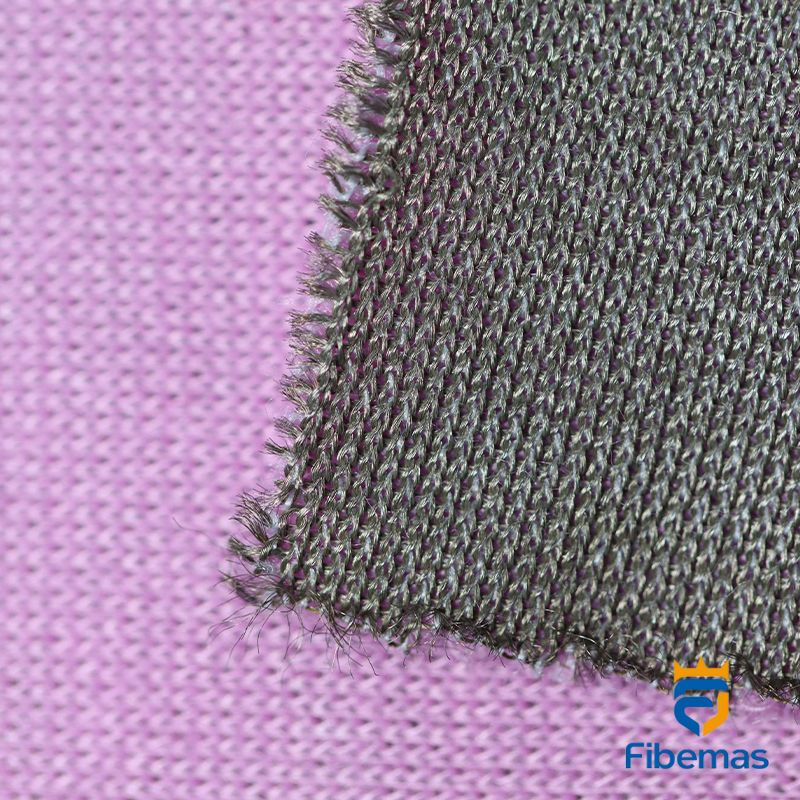
- Type of shielding fabric: metallic, non-metallic, or hybrid.
- Frequency range of the EM field you want to shield against.
- Durability and maintenance of the material.
- Cost-effectiveness relative to the dB rating.
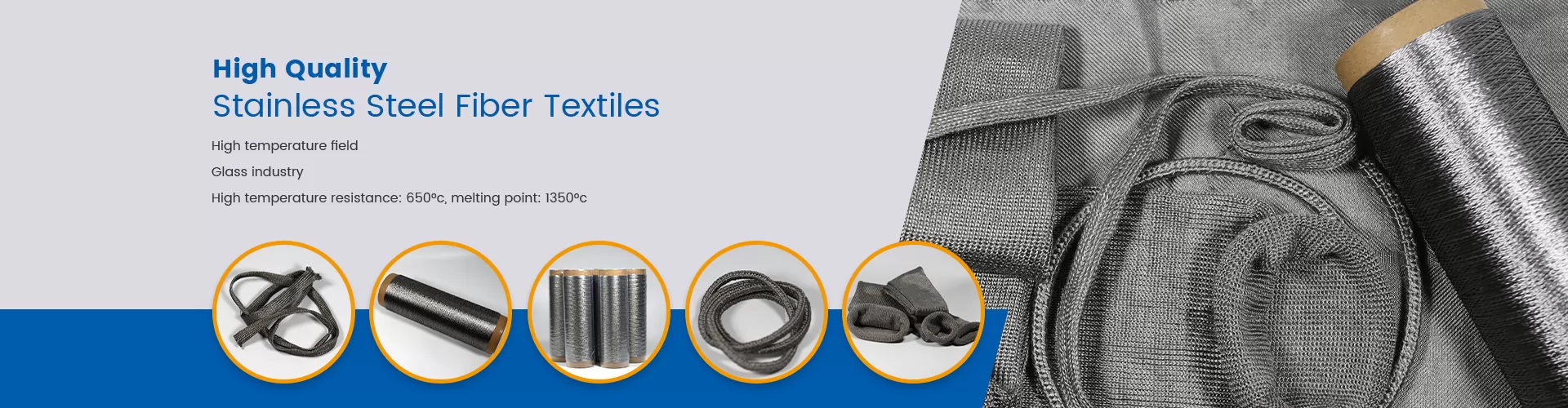
Fibemas offers a variety of shielding materials designed to meet different dB ratings for various applications.
Installation of EMF Shielding Materials
Tools Required for Installation
The necessary tools include:
- Measuring tape
- Utility knife or scissors
- Adhesive or mounting hardware
- Calibrated EMF meter for testing
Step-by-Step Installation Guide
- Measure the area you want to shield.
- Cut the shielding material to the required size.
- Position the material according to your layout (ensure there are no gaps).
- Secure the material using adhesive or mounting hardware.
- Test the effectiveness using an EMF meter to ensure proper installation.
Common Mistakes to Avoid
When installing EMF shielding, be cautious of the following:
- Failing to calculate the required size accurately.
- Leaving gaps or overlaps in the material that can compromise shielding efficacy.
- Not testing the effectiveness post-installation.
Maintaining Your EMF Shielding
Cleaning and Care Instructions
To maintain the shielding effect:
- Clean fabrics according to manufacturer instructions.
- Avoid harsh chemicals that may degrade the material.
- Regularly check for wear and tear.
Assessing Shielding Efficacy Over Time
Periodically retest your shielding using an EMF meter to ensure it continues to provide the necessary protection. Adjust or replace shielding materials as needed for optimal performance.
Conclusion
Understanding and applying dB ratings is crucial in selecting effective EMF shielding materials. With proper installation and maintenance, you can significantly reduce EMF exposure in your home or workplace. For high-quality shielding products, consider Fibemas, a trusted manufacturer dedicated to effective EMF protection. For more information and product details, visit Fibemas.