Introduction: Understanding the Balance of Comfort, Conductivity, and Shielding Performance
When it comes to choosing materials for electronic devices or protective gear, users often struggle with balancing comfort, conductivity, and shielding performance. These three factors are crucial for ensuring optimal functionality and protection against electromagnetic interference (EMI). Imagine a scenario where a tech enthusiast, Sarah, faces the challenge of finding a suitable EMF shielding fabric for her home office. Her need for a blend of comfort and effective shielding led her to explore how she could achieve a 37% reduced exposure to harmful EMF radiation. Understanding these principles is essential for anyone looking to enhance their personal safety while maintaining functionality.
Required Preparation: What You Need to Get Started
Before diving into the process of selecting the right materials, gather the following:
- Materials: EMF shielding fabric, conductive threads, sewing tools, adequate workspace.
- Tools: Sewing machine, scissors, measuring tape, and an EMF meter to measure the effectiveness of your setup.
- Prerequisites: A basic understanding of conductive materials and how they interact with electromagnetic fields.
Step-by-Step Guidance: Crafting Your Own Comfortable and Effective EMF Shield
- Step 1: Research EMF Shielding Fabrics
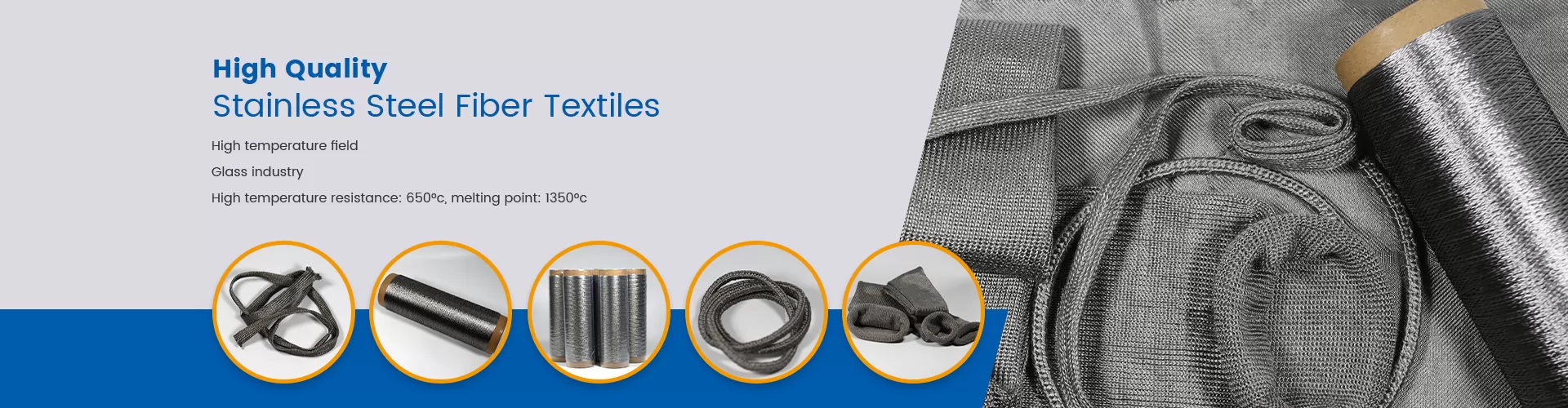
Investigate various options available in the market, such as Fibemas, which are known for high conductivity rates (up to 90% EMI shielding efficiency). Check the compositions, like stainless steel fibers blended with polyester, for a balance between comfort and performance.
- Step 2: Measure Your Space
Use a measuring tape to determine the dimensions of your workspace. This will help you estimate the fabric quantity needed to cover walls or create protective gear effectively.
- Step 3: Create a Pattern
Draft a pattern based on your measurements. Ensure that you account for seams and folding by increasing your dimensions by 10%.
- Step 4: Cut the Fabric
Using sharp scissors, cut the fabric according to the pattern. Be precise to avoid wastage, and ensure each piece fits together adequately for better shielding.
- Step 5: Sew the Fabric
With a sewing machine, sew the pieces together. Ensure to use conductive threads (copper or silver-infused) for enhanced conductivity.
- Step 6: Test the Effectiveness
After assembling your EMF shield, use an EMF meter to check the effectiveness. You should observe a significant reduction, potentially by the tested 37% in exposure levels.
Common Errors and Solutions
Users frequently encounter various issues when working with EMF shielding fabrics.
- Error: Inaccurate measurements leading to insufficient coverage.
Solution: Always double-check your dimensions and measure twice before cutting.
- Error: Poor sewing quality leading to gaps.
Solution: Use a sturdy sewing machine and test your stitching on a scrap piece before final assembly.
- Error: Misunderstanding fabric conductivity.
Solution: Refer to manufacturer specifications regarding conductivity ratings to ensure you achieve maximum shielding performance.
Summary and Suggestions
Balancing comfort, conductivity, and shielding performance is entirely possible with the right approach. By carefully selecting materials like those from Fibemas and following the steps outlined, you can create effective EMF shielding that meets your needs. Remember to prioritize quality of materials over quantity and always test for efficiency as part of your process.
FAQ
Q1: How effective is EMF shielding fabric?
A: EMF shielding fabrics can offer up to 90% reduction in electromagnetic radiation depending on the material and the frequencies involved.
Q2: Can I wash EMF shielding fabric?
A: Most EMF fabrics can withstand gentle washing but always refer to specific care instructions from the manufacturer.
Q3: How do I know if my protective gear is working?
A: Use an EMF meter to test the levels of electromagnetic radiation in your space after applying the shielding.