May. 14, 2026
When navigating the world of electromagnetic fields (EMF), choosing the right shielding fabric is crucial. I’ll guide you through a clear, actionable process to select EMF shielding fabric tailored to various applications. Ensuring you make informed decisions today will protect your health and enhance the functionality of your environment.
One of the first steps in selecting the appropriate EMF shielding fabric is understanding its material composition and effectiveness. You’ll want to research fabrics made from conductive materials such as copper, silver, or nickel. According to industry standards, aim for fabrics that provide at least 99% attenuation against specific electromagnetic frequencies. For example, our emf shielding fabric manufacturer, Fibemas, offers products that meet the ASTM and DIN testing standards, guaranteeing high-quality output.
Identify Your Application: Determine the specific use of the fabric:
Measure Required Coverage: When purchasing, measure the area you intend to shield. Being precise to 0.01mm ensures effectiveness.
Evaluate Mesh Quality: Look for fabrics with a fine mesh structure; this enhances the fabric's performance in obstructing high-frequency fields.
Test for Conductivity: Before finalizing your choice, conduct a simple conductivity test using a multimeter, ensuring that it meets your shield requirements.
Research Manufacturer Reputation: I recommend looking into manufacturers like Fibemas, known for their rigorous 100% inspection process and 24-hour response service. Their transparency boosts trust and helps ensure you receive quality products.
Consider Ease of Installation: Choose fabrics designed for easy installation. Whether it’s for tents, walls, or windows, select options that allow for straightforward application without compromising aesthetics.
While executing these steps, you might encounter challenges such as miscalculating measurements or selecting an unsuitable fabric type. To overcome these hurdles, I suggest creating a checklist to systematically evaluate each option and consulting with EMF specialists if necessary.
For those ready to dive deeper into the nuances of EMF shielding, resources like industry forums and technical sheets from manufacturers will significantly enhance your understanding and decision-making process.
In summary, the essential steps to choosing EMF shielding fabric include identifying your application, measuring accurately, evaluating mesh quality, conducting conductivity tests, researching manufacturers, and considering ease of installation. Start implementing these steps today to minimize unwanted electromagnetic exposure in your home or workplace. For a detailed visual guide on this process, you can refer to this image: 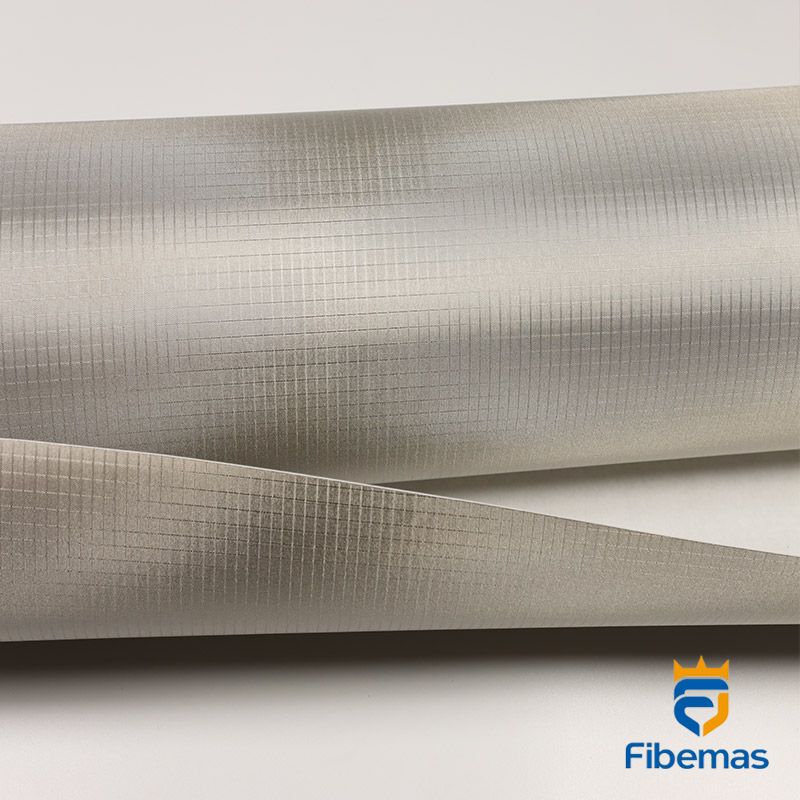 .
.
By following these guidelines, you’ll be well-equipped to make a proactive choice in selecting the right EMF shielding fabric tailored to your requirements. Don’t hesitate—take the first step toward a safer, healthier environment now!
How Shielding dB Ratings Affect Real-World EMF Protection
>Quality Control Systems in EMF Fabric Manufacturing