May. 29, 2026
In the realm of electromagnetic field (EMF) protection, businesses face a pivotal challenge: ensuring the quality and reliability of custom conductive textile materials. For manufacturers and designers looking to customize EMF fabrics, reducing OEM risks is essential for protecting their investments and meeting customer expectations. In this article, I’ll guide you through clear, actionable steps to minimize these risks effectively, utilizing Fibemas’ innovative solutions. Let’s dive into a streamlined process that promises efficacy and confidence in your product offerings.
The first step in reducing OEM risks is to establish a thorough understanding of specifications. Begin your journey by defining precise requirements for your custom conductive textile materials to the micron level. We recommend utilizing Fibemas’ industry-leading technology, which ensures precision to 0.01mm. This fine-tuning aids in maintaining high standards while customizing EMF fabrics, paving the way for successful partnerships with manufacturers.
Next, prioritize selecting a reputable OEM partner. A reliable partner should adhere to global testing standards, including ASTM and DIN guidelines, ensuring that all materials used are compliant and safe. Thoroughly vet potential manufacturers by requesting their certification documents, showcasing adherence to quality control measures such as 100% inspection protocols for all shipments.
Once you’ve established your specifications and selected a partner, it's essential to improve communication. Create a dedicated workspace—an online platform for exchanging updates, concerns, and feedback promptly. This proactive approach helps preempt potential challenges by allowing for quick adjustments should any specifications deviate from your initial intentions.
During the customization process, anticipate some common challenges, such as material scarcity or uneven quality in deliveries. In such instances, it’s imperative to maintain a flexible approach. I suggest implementing a regular check-in schedule with your OEM partner, ensuring that any deviations are caught early and addressed. This method not only mitigates risk but also fosters an atmosphere of collaboration.
Utilizing by-products and testing throughout the manufacturing process can significantly enhance risk reduction. I recommend arranging periodic quality assurance checks in line with the production phases. For example, sampling EMF fabrics after initial weaving and again at the final production state allows you to catch any inconsistencies early. Make use of tools like digital inspection software that can help facilitate these processes, increasing efficiency and responsiveness.
Finally, documenting every step of your customization journey is crucial. Not only does this create a comprehensive archive for future reference, but it also provides transparency and accountability in your business transactions. Make use of project management software to organize this data systematically.
To summarize, here are the key proactive steps for reducing OEM risks when customizing EMF fabrics with Fibemas:
By following this structured approach, businesses can significantly reduce OEM risks involved in customizing EMF fabrics. With the implementation of these strategies, not only will your operations become more streamlined, but you will gain greater trust and credibility in your market. Ready to take the next step? Start integrating these methods into your processes today and witness the transformation in your customization projects with Fibemas. For more visual resources, feel free to check out this illustration: 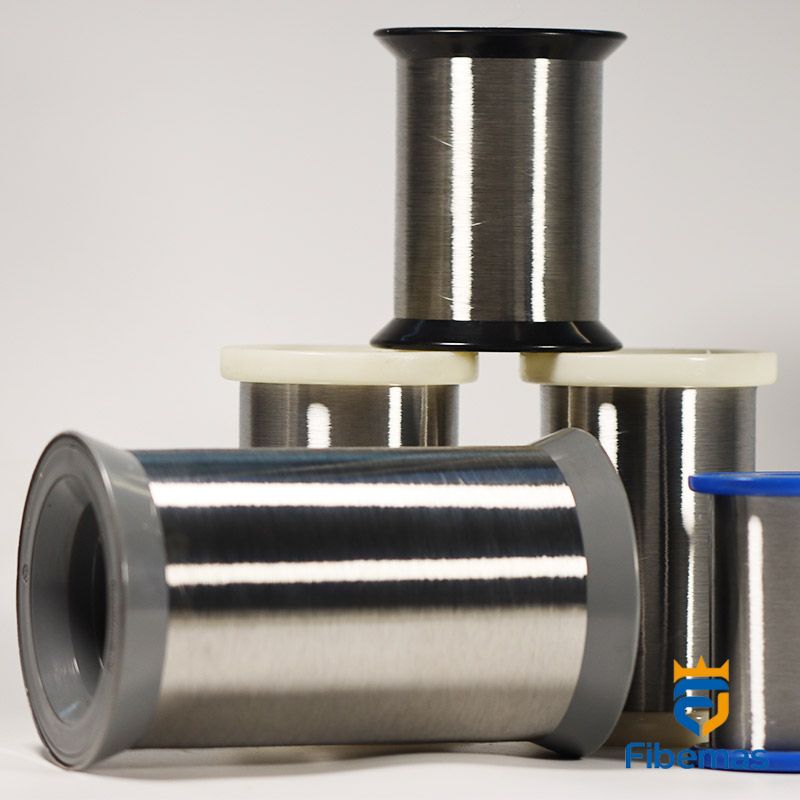 . Embrace the change, and empower your business with efficiency and security in every fabric you produce.
Custom Conductive Fabric for PPE & Industrial Protection
>How OEM Fabric Customization Impacts EMF Shielding Performance