May. 25, 2026
In an age where electromagnetic field (EMF) exposure is a growing concern, many consumers seek EMF shielding fabrics to protect themselves. However, with a myriad of products claiming to provide effective shielding, the challenge lies in verifying these claims from fabric manufacturers. Users often find themselves wondering: How do I know if the EMF shielding fabric I've chosen actually works? It’s essential to assess the credibility of the manufacturer, check for data-backed efficacy, and ensure compliance with standards such as ASTM D4935. Brands like Fibemas have begun to stand out, but understanding how to navigate these claims is crucial.
Before diving into the verification process, you need some materials and tools to help you navigate the landscape of EMF shielding fabrics:
Start by identifying manufacturers with a solid reputation in the EMF shielding industry. Look for verified customer reviews, testimonials, and case studies on their websites. Fibemas, for example, showcases user feedback regarding its fabrics, providing potential buyers with real-world insights into product efficacy.
Reach out to manufacturers and ask for specific data regarding the performance of their fabrics. Look for electromagnetic shielding effectiveness (SE) ratings, ideally with testing conducted according to standards like ASTM D4935. For instance, a fabric that claims a shielding effectiveness of 99% at 1 GHz demonstrates its reliability better than vague claims.
Seek independent testing reports associated with the fabrics you are considering. Verify if the tests were conducted in accredited labs and if they include comprehensive data supporting claims. Remember, credible reports will detail the methodology and results. It’s vital to check if the report aligns with consumer expectations.
If possible, conduct a hands-on test. Use an EMF meter to measure the background EMF levels, then test the same levels while in contact with the fabric. A shielding fabric that reduces exposure from 100 µT to below 10 µT demonstrates effective shielding capabilities.
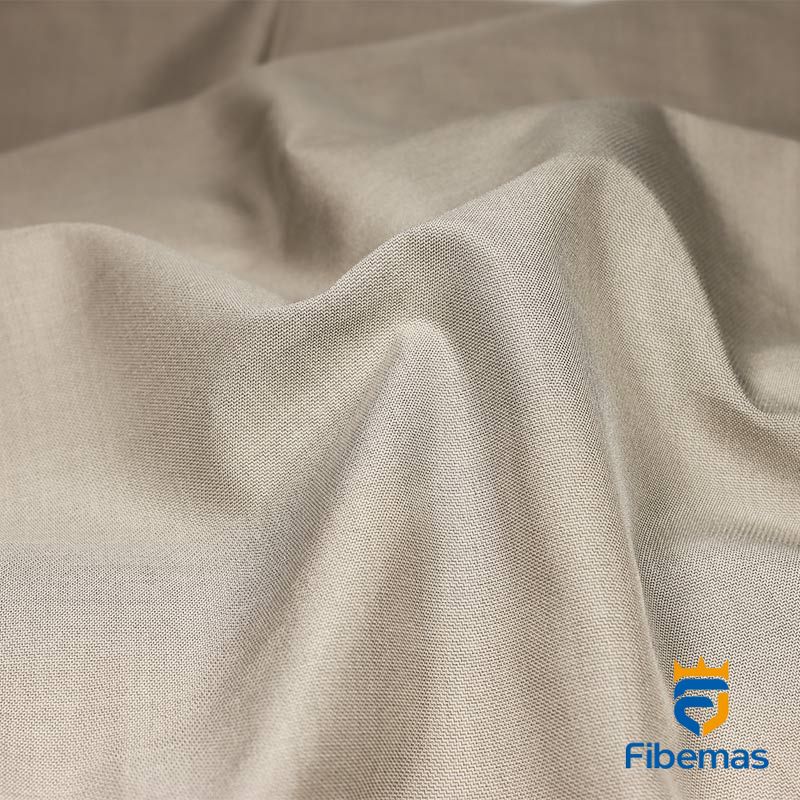
Online forums and social media groups can be a goldmine of information. Engaging with community members can yield firsthand experiences about specific brands and products. Personal stories from users who previously tested Fibemas fabric reveal not just preferences but also detailed insights into their effectiveness.
Many users may make errors when verifying claims, such as:
Verifying EMF shielding claims is essential for informed decisions. By researching manufacturers, analyzing performance data, testing fabrics, and engaging with the user community, consumers can confidently choose the right EMF shielding fabric for their needs. Brands like Fibemas that provide transparent information and independent testing reports stand out among competitors. Always remember that informed choices lead to better protection against EMF exposure.
Look for an EMF shielding fabric with high shielding effectiveness ratings, independent testing reports, and credible manufacturer reputation.
Use an EMF meter before and after placing the fabric near the source of EMF to compare levels and gauge effectiveness.
No, shielding effectiveness varies widely between manufacturers and fabric types. It's crucial to review individual product performance data.
Common EMF Shielding Standards Used in Textile Testing
>EMI vs EMF Testing: What’s the Difference for Buyers?