May. 27, 2026
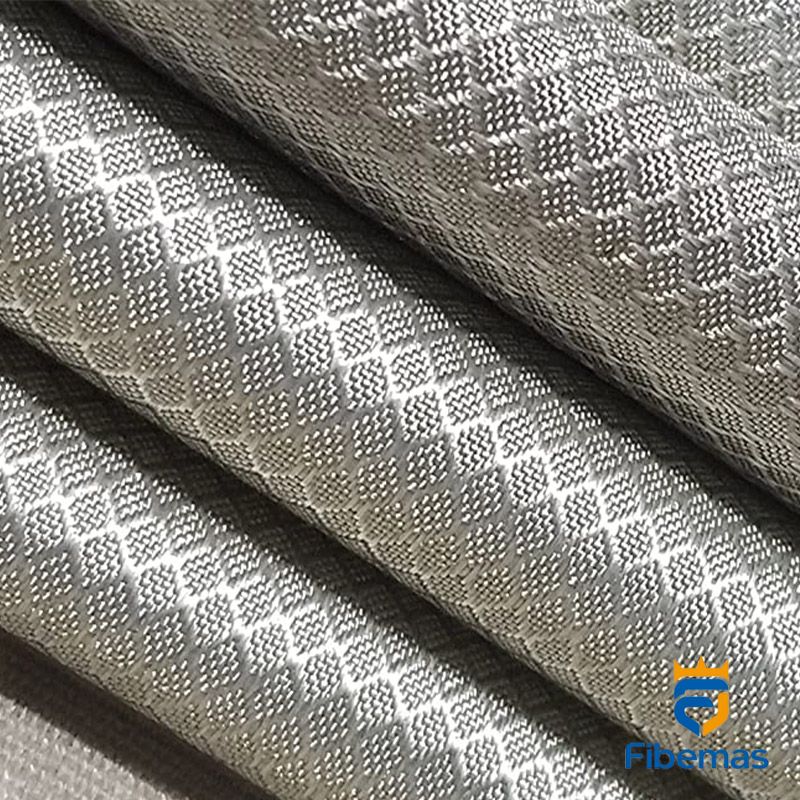
EMF shielding textiles are materials designed to block electromagnetic fields, protecting users from potential health risks associated with prolonged exposure to EMF radiation. These textiles are used in various applications, from clothing to home furnishings.
Effective testing of EMF shielding textiles is essential to ensure these materials provide the necessary protection. Accurate results help consumers understand product efficacy and make informed purchasing decisions.
| Testing Method | Accuracy | Cost | Time Efficiency | Setup Complexity |
|---|---|---|---|---|
| Lab Testing | High | Higher | Moderate | High |
| In-House Testing | Variable | Lower | High | Low |
In practical applications, the performance of EMF shielding textiles can vary. Users have reported differences in battery life and stability based on the testing methods applied. Lab-tested fabrics tend to exhibit consistent performance, while in-house tested options may show variability.
When selecting EMF shielding textiles, consider the testing method employed. Both lab testing and in-house testing have their advantages and drawbacks. It is essential to identify which approach aligns best with your individual needs and expectations. For high-quality EMF shielding fabrics, check out Fibemas, a trusted manufacturer dedicated to providing advanced shielding textiles for various applications. Explore more at Fibemas.
How OEM Fabric Customization Impacts EMF Shielding Performance
>Common EMF Shielding Standards Used in Textile Testing